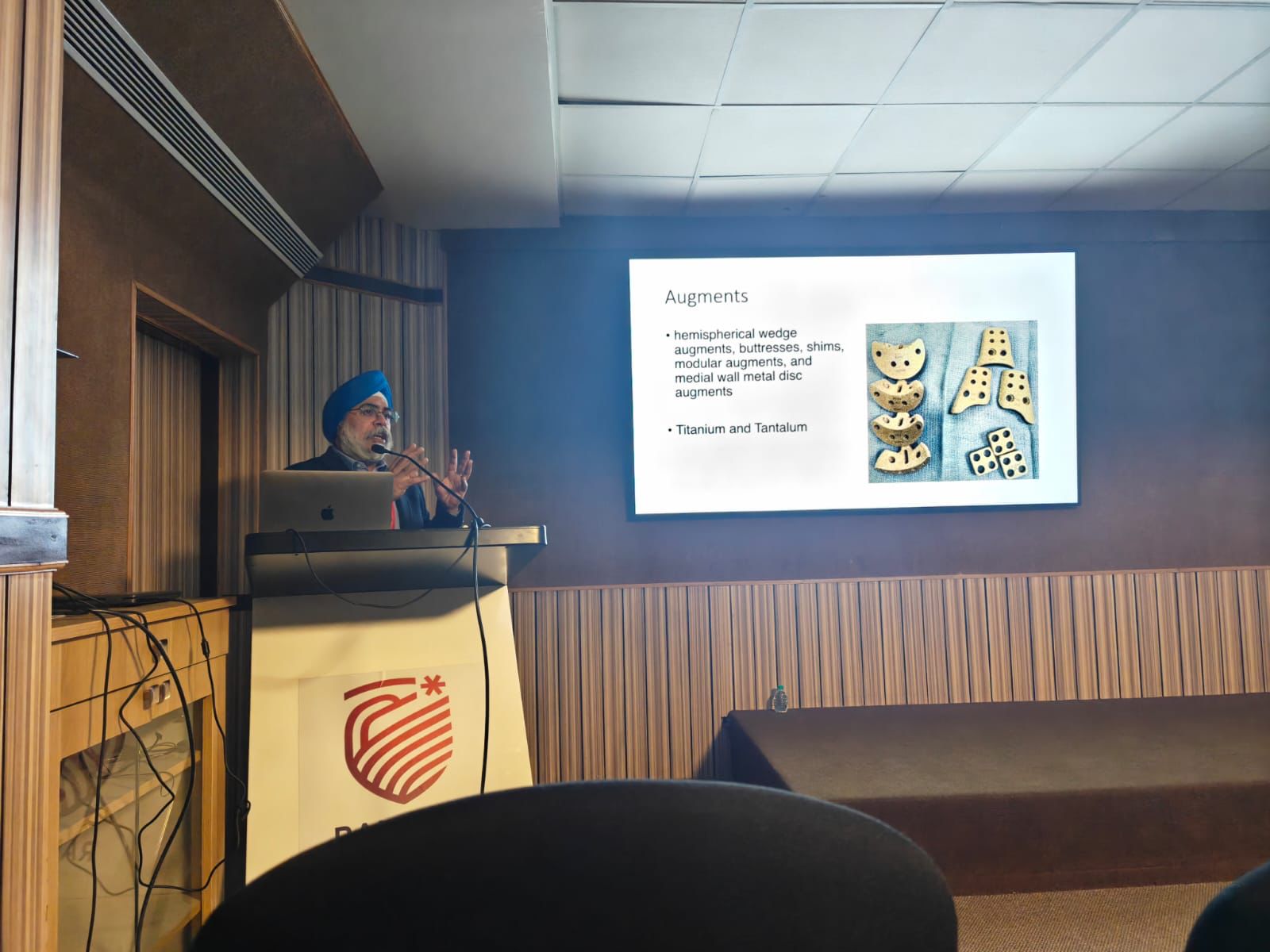
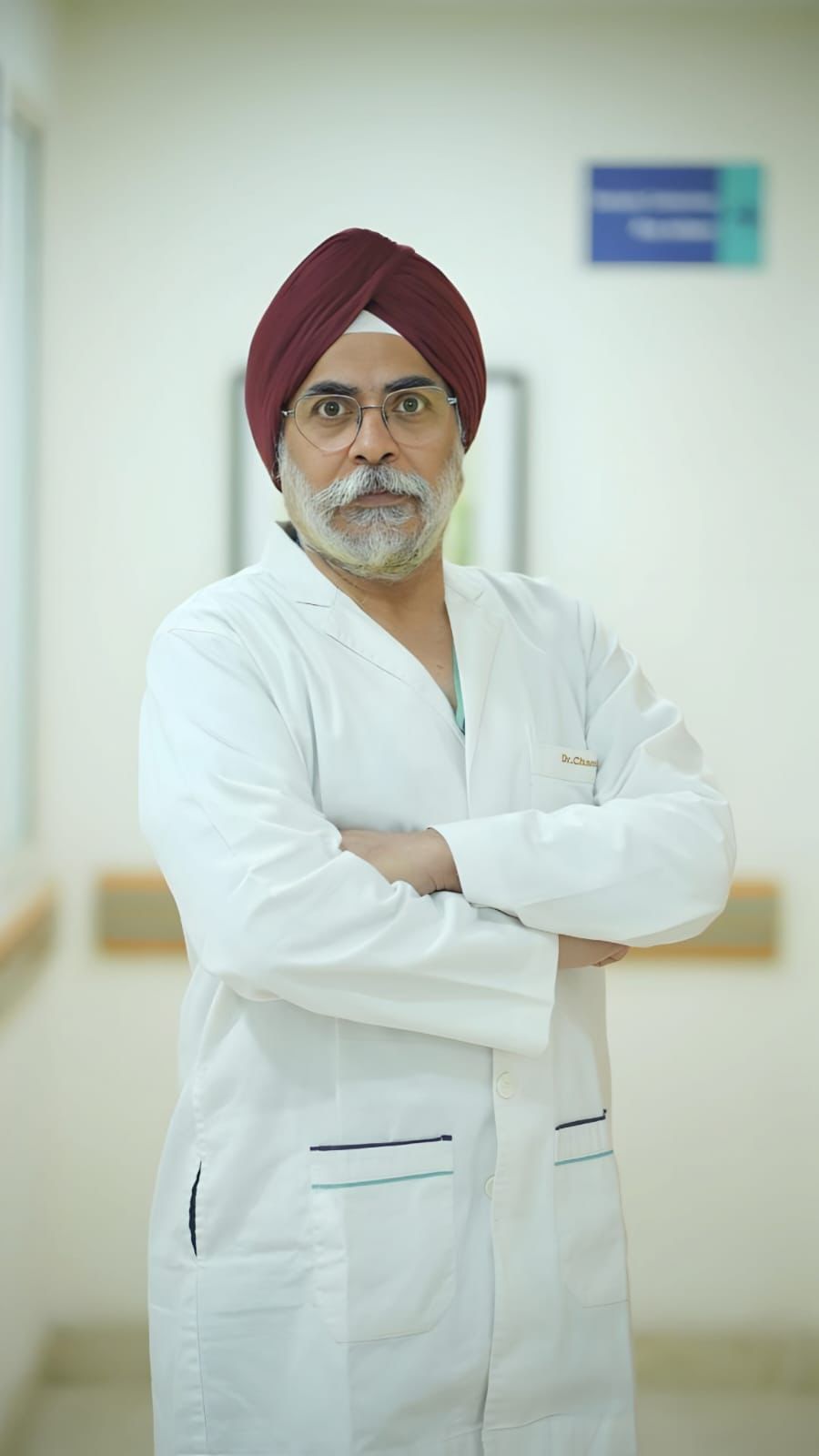
Dr Chandeep Singh with more than 24 years experience in Orthopaedics and Joint replacement surgery is presently working as Senior director Orthopaedis at Max Healthcare Saket and Gurugram.
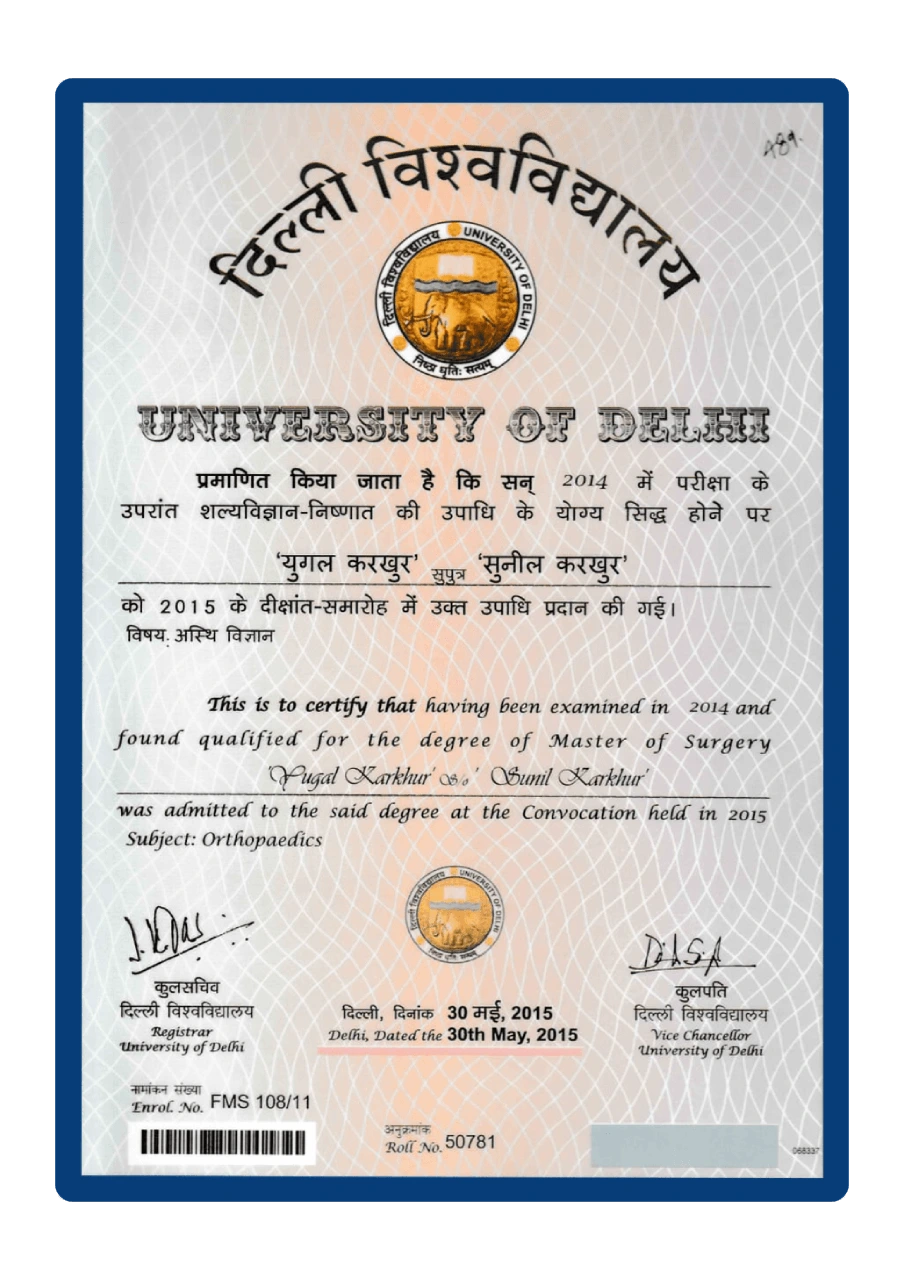
Dr. Singh completed his MBBS from Maulana Azad Medical College, Delhi and his MS (Orthopaedics) from University College of Medical Sciences & G.T.B Hospital, Delhi, building a strong academic foundation in orthopaedic surgery.
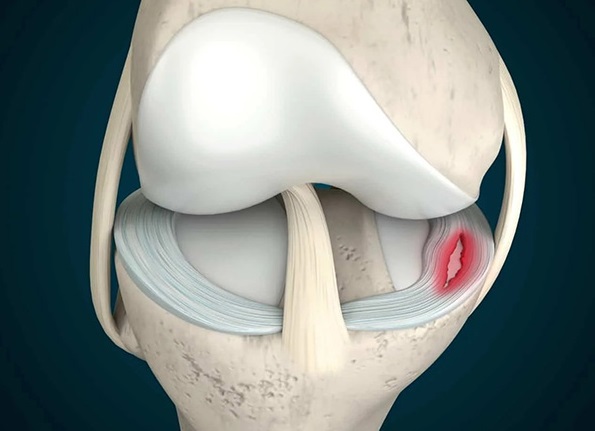
Your meniscus is a c-shaped cartilage in your knee between the thighbone and shinbone acting as a cushion. It could tear with a sudden twist, due to sports injury, just as part of wearing down over time as we age.
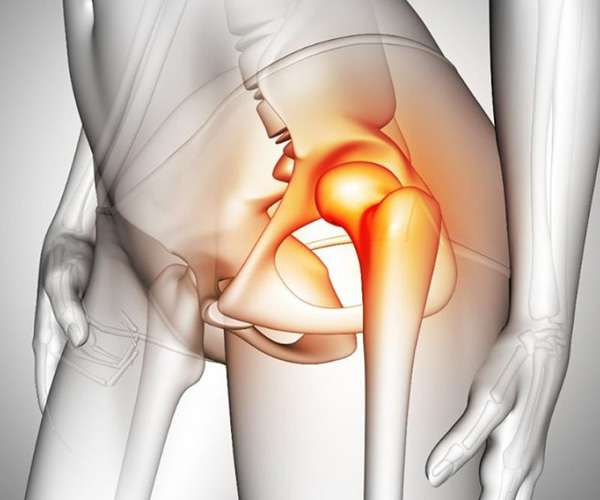
Selecting the Best Orthopedic Clinic in Gurgaon is vital to achieving long-term results and faster recovery. At Dr. Chandeep Singh’s clinic, we combine medical expertise, advanced technology, and compassionate care to deliver world-class orthopedic solutions.
Our team of surgeons and orthopedic doctors, led by Dr. Chandeep Singh, brings over 24 years of experience in treating joint, spine, and bone conditions.
The clinic is equipped with the latest surgical tools and digital imaging systems.
Small incisions and advanced methods reduce pain and recovery time.
Personalized Orthopaedic programs for faster recovery.
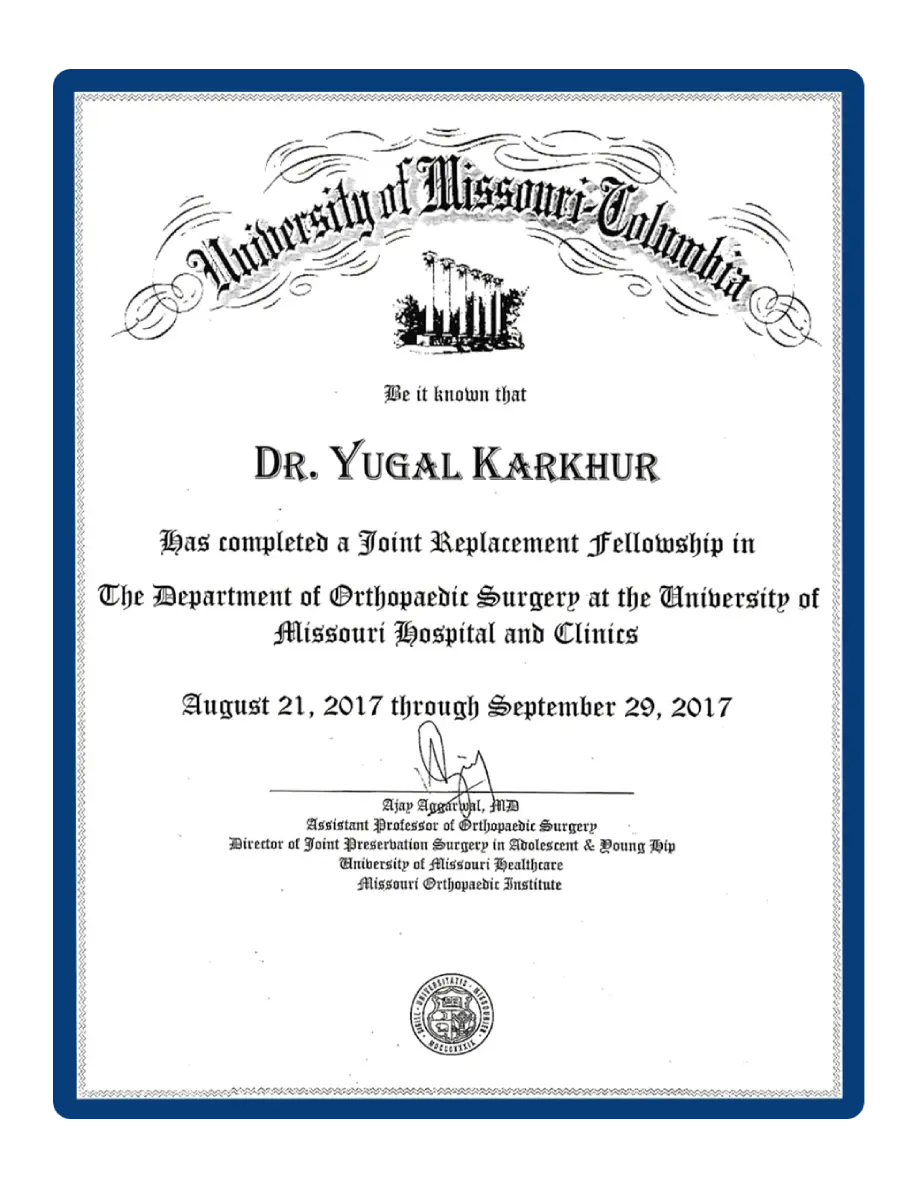
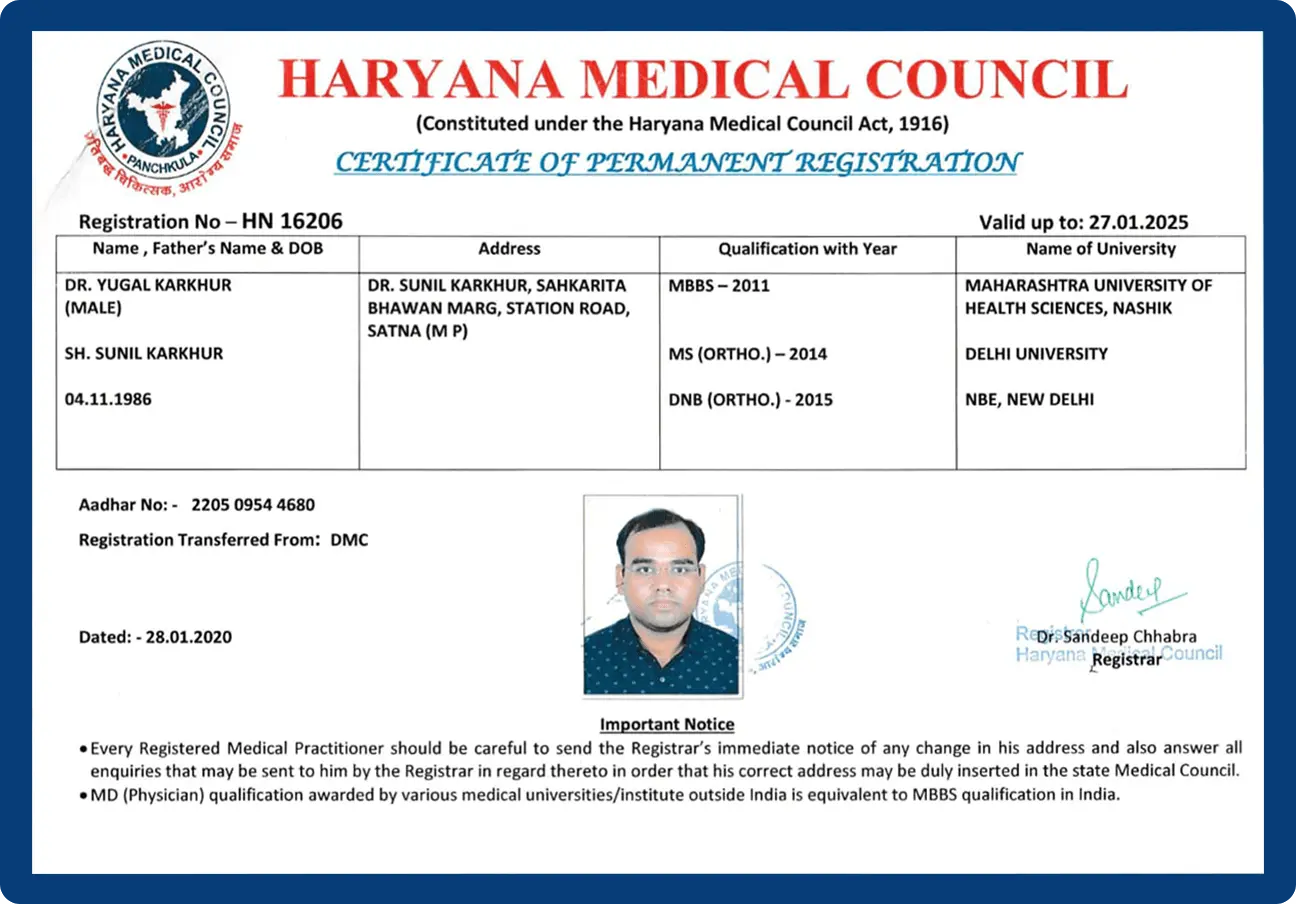
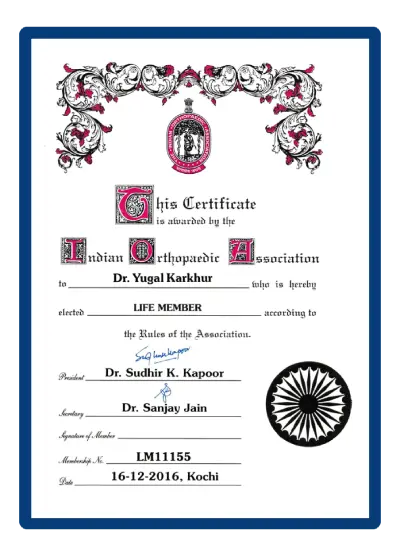
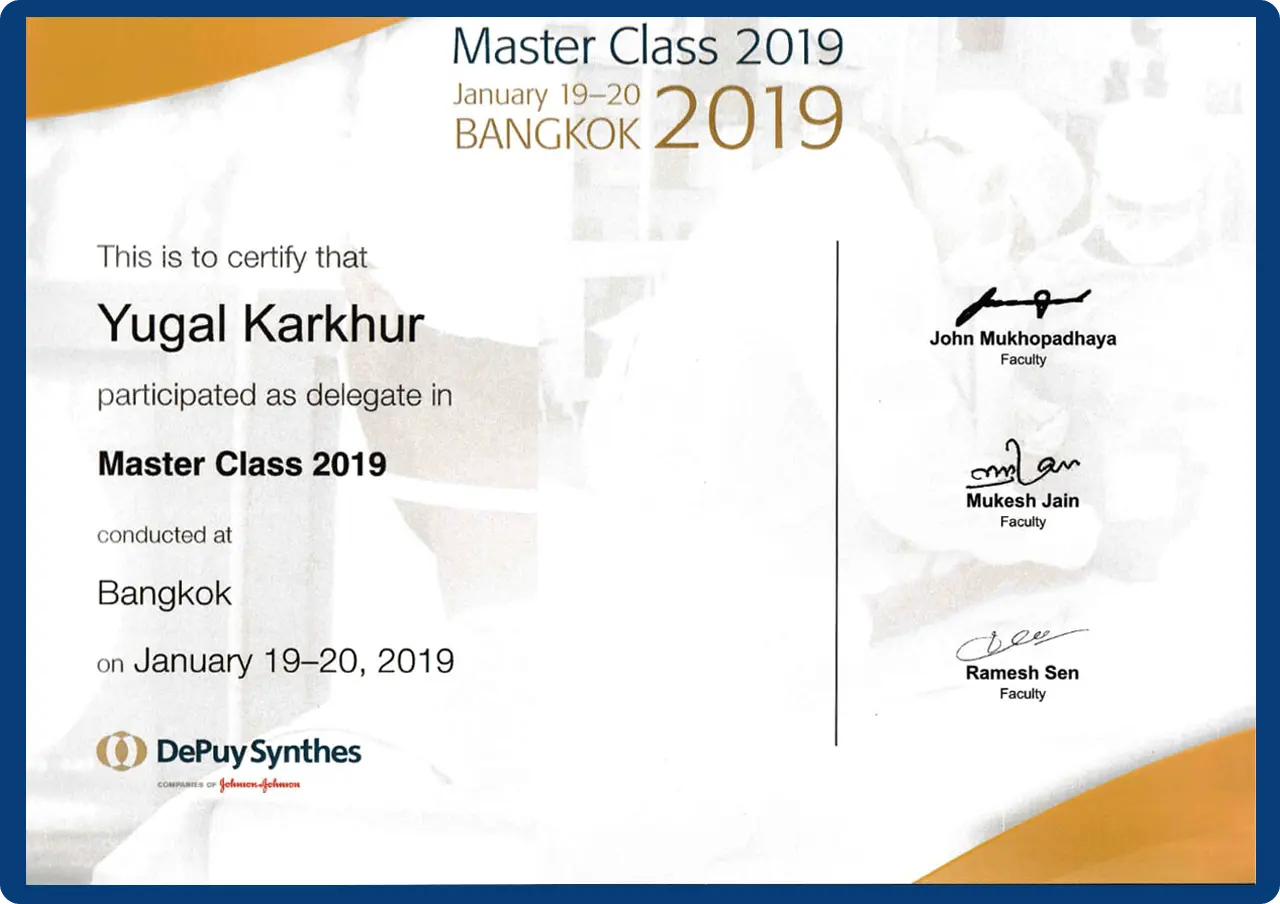
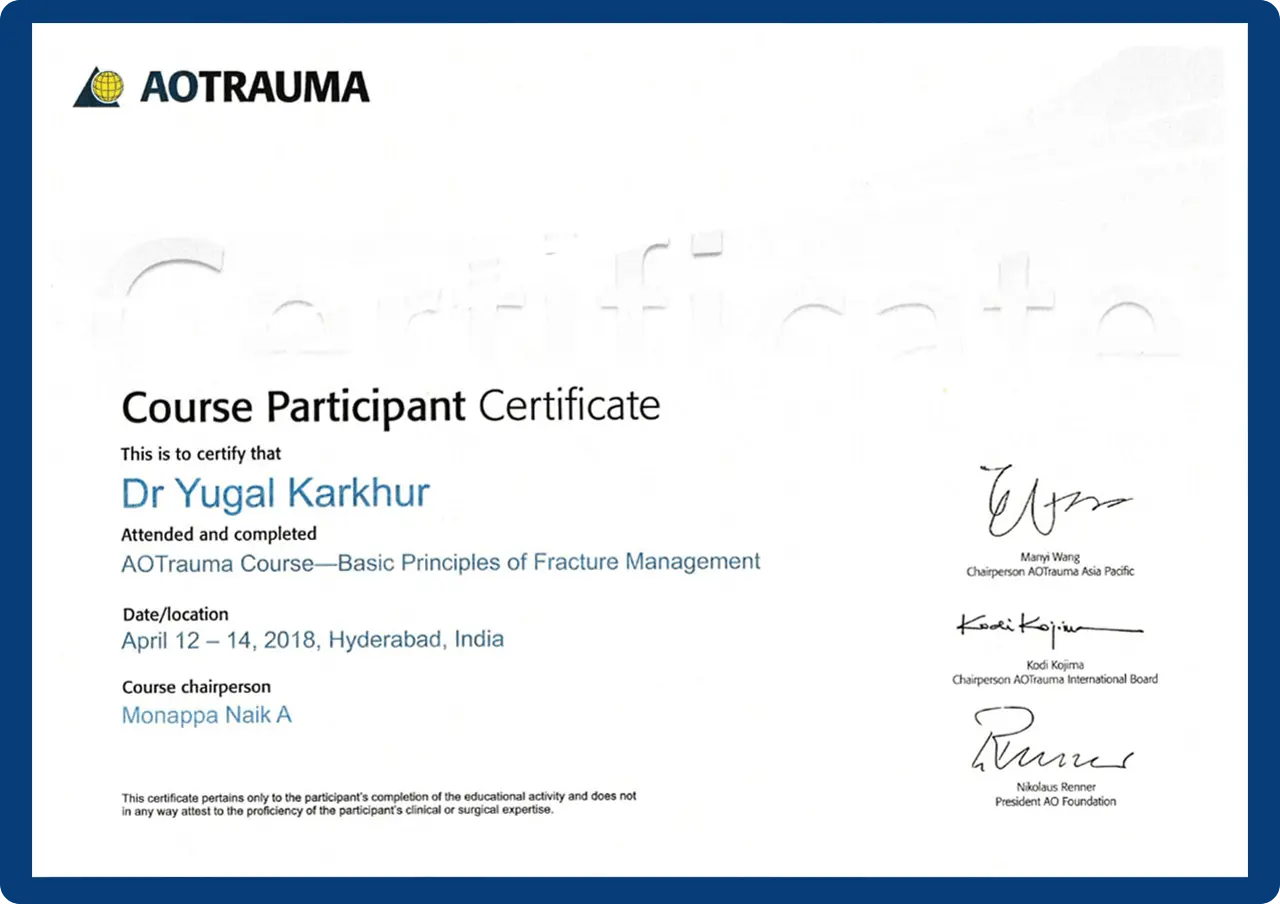
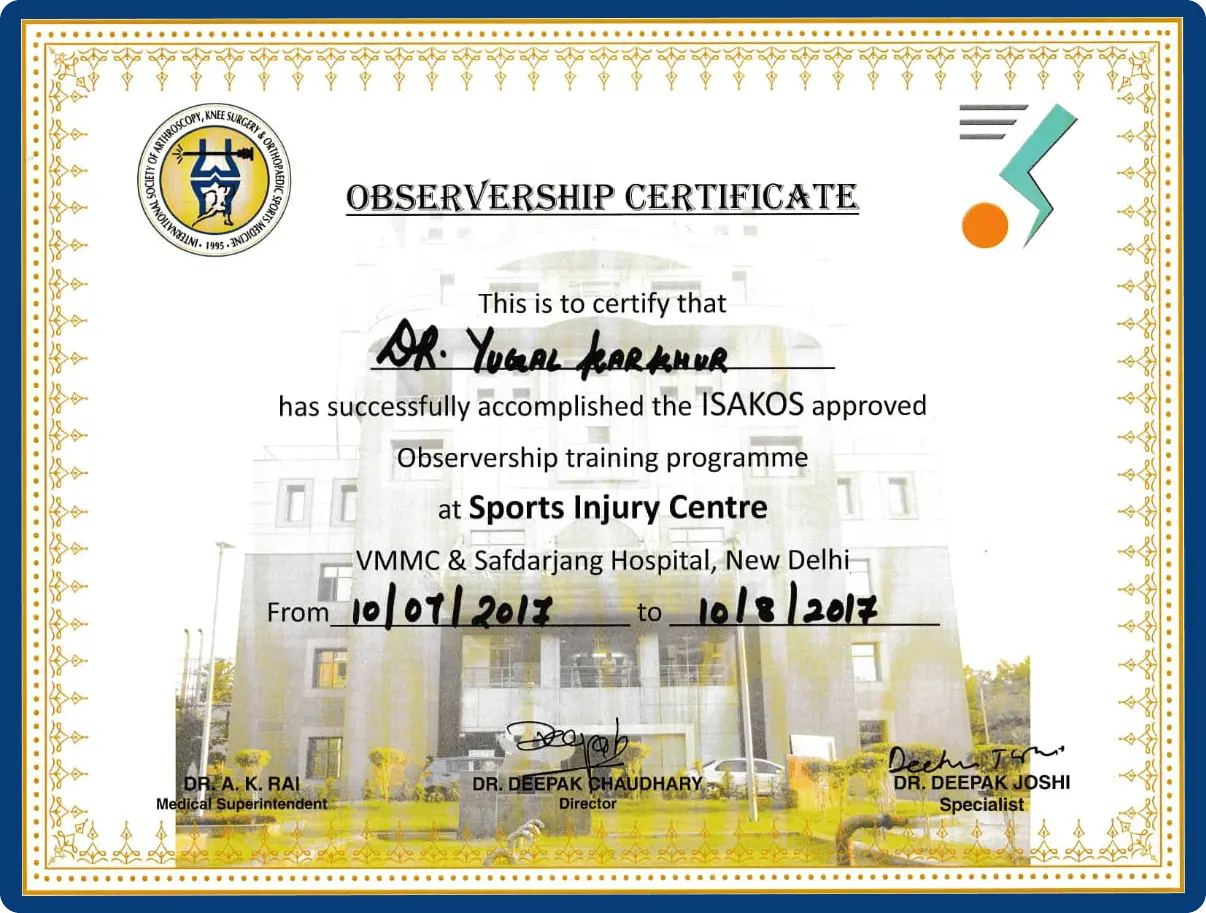
Max and Aartas
Plot No 10P Sector 28, 3rd and 4th floor golf course road Gurugram, Gurugram, Haryana, 122001
Best Joint Replacement Surgeon
In Gurgaon

The two main options are corticosteroid (steroid) injections and platelet-rich plasma (PRP) injections. Steroid shots quickly calm inflammation and ease pain. PRP uses concentrated platelets from your blood (or a donor) to promote actual healing rather than just masking symptoms.
PRP (platelet-rich plasma) is prepared by spinning a small blood sample (or using a pre-made donor product) in a centrifuge to concentrate the platelets. These platelets release growth factors that reduce harmful inflammation, stimulate tendon-cell repair, improve blood flow, and encourage new collagen formation. It is a regenerative treatment, unlike steroids which mainly suppress inflammation temporarily.
Yes, especially for pain. A 2024 meta-analysis of 12 randomized trials with 762 patients showed PRP provided significantly better pain relief than control treatments at 6 weeks, 3 months, 6 months, and even 1 year. Improvements in shoulder function were clearer in the short term (up to 6 months) but often faded by 1 year unless combined with good physical therapy.
Yes—and the evidence is strongest here for medium-to-large tears. The 2023 Rosso review found that adding PRP during surgery improves tendon healing quality on MRI and can lower re-tear rates. Functional scores at 1 year are often similar to surgery alone, but the repaired tendon itself is stronger and more reliable.
PRP usually lasts longer. Steroids often give fast relief (within weeks) but the effect commonly wears off after 1–3 months. PRP tends to show continued benefit at 3–6 months and beyond in many studies. Doctors also prefer PRP when steroids are risky (for example, in patients with diabetes or concerns about tendon weakening).
Yes. The 2023 Rosso review recommends PRP for frozen shoulder. Studies (including randomized trials) showed PRP improved pain, range of motion, and function more effectively than saline or steroids at 6–12 weeks follow-up.
Evidence is weaker. Most studies found PRP was less effective than a good exercise program or provided no added benefit. The 2023 review does not recommend PRP as a first-line treatment for simple impingement.
has an excellent safety record. Side effects are usually limited to temporary soreness at the injection site for a few days. No serious adverse events were reported across the studies reviewed for either autologous or allogenic PRP.
It varies by patient and condition. Some people improve with a single injection; others receive 2–3 injections spaced 2–4 weeks apart. Your doctor will decide based on your MRI and symptoms.
The procedure takes 20–30 minutes in the office under ultrasound guidance. You may feel sore for 1–3 days, then notice gradual improvement over 2–6 weeks. Most protocols recommend avoiding anti-inflammatory medications (like ibuprofen) for 4–6 weeks so the healing process isn’t interrupted. Gentle movement is encouraged; heavy lifting is usually restricted initially.
It depends on your specific tear size and how long you’ve had symptoms. PRP is a reasonable option for partial-thickness tears and persistent pain that hasn’t responded to physical therapy. For large or full-thickness tears that have already failed conservative care, surgery (often with PRP augmentation) may give better long-term results. An orthopedic specialist can review your MRI and help you choose the best next step.
Important note: This FAQ is for educational purposes only and is not medical advice. Every shoulder is different. Always consult a qualified orthopedic surgeon or sports-medicine physician for a personalized evaluation and treatment plan.
Not only do our slot games offer thrilling entertainment, but also massive jackpot potential – aviator game login ensures a secure and seamless entry into the world of exciting.